I design workshops and facilitate sessions with a key principle in mind: participants are engaged and active learners, not passive consumers of information. Whether it’s a two-hour communication workshop, a two-day design-thinking intensive, or a LEGO Serious Play session, the design starts with what people will actually do in the room, not with the slides. Off-the-shelf methods are welcome when they save development time; custom design is for the problems that need it.
Designed workshops
Storytelling for Impact
Virtual, two parts, for a globally distributed team · 2020
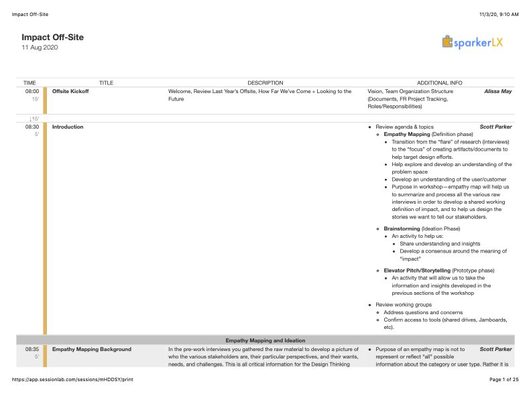
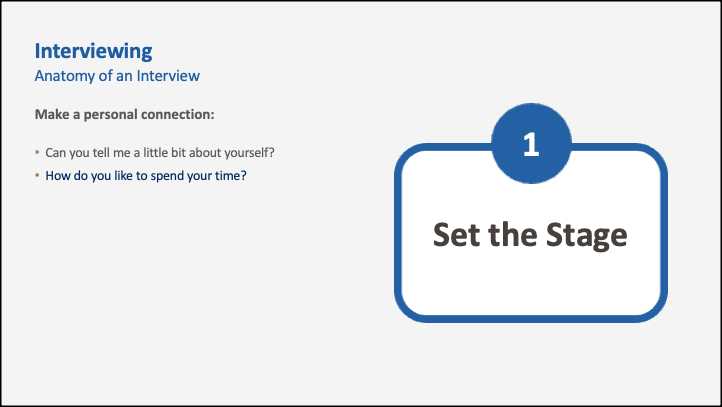
An annual off-site was forced online by COVID travel restrictions, becoming a two-part workshop separated by several weeks. Part one taught user-interview technique; participants then interviewed customers and coworkers. Part two turned what they’d heard into empathy maps and a targeted elevator pitch on a custom Storytelling for Impact canvas, built together in Jamboard.
Why this design: the gap between sessions was the point: real interviews, not role-plays, powered the second half.
Storytelling for Impact canvas
Off-site run of show
Empathy map
Workshop slide
Workshop slide
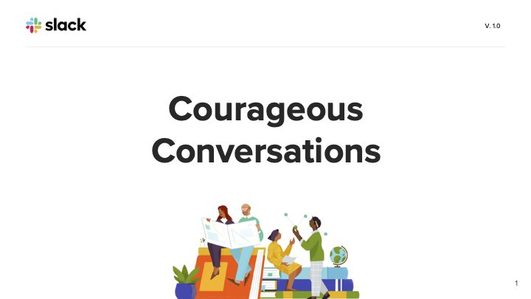
Courageous Conversations
In-person, 2+ hours, for a fast-growing startup · Slack era
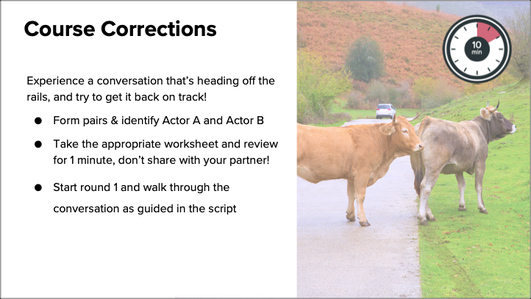
A deep dive into difficult conversations, culminating in each participant designing a real conversation they were facing. The role-plays were semi-scripted on purpose: more context and guidance than the usual “just improvise,” so less experienced participants could practice the shape of a hard conversation without freezing due to lack of details.
Why this design: scripting the scaffolding, not the lines, is what made practice safe enough to be honest.
Courageous Conversations
Activity
Activity
Activity
Worksheet
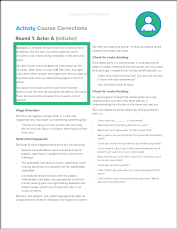
Writing workshop
Virtual, one hour, delivered to regional offices worldwide · Slack era
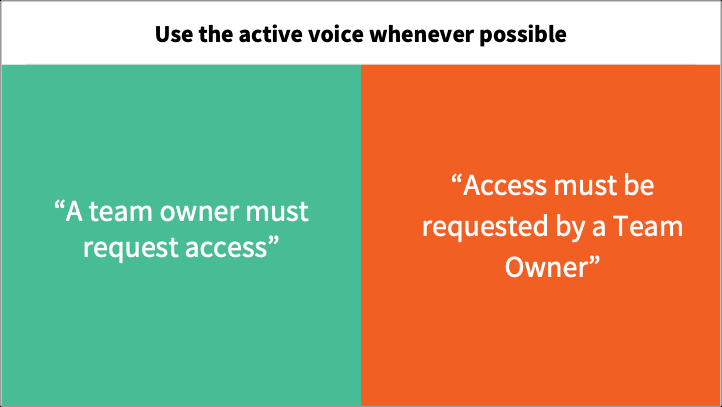
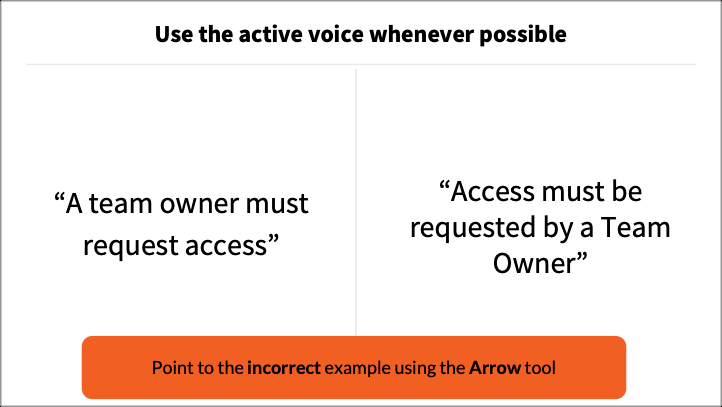
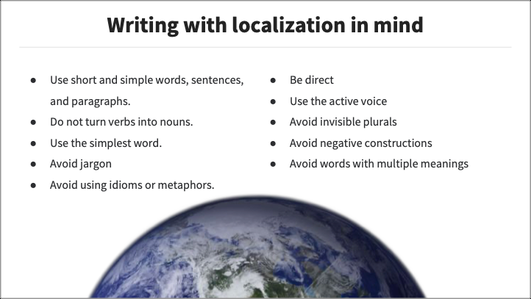
Designed for virtual delivery from the ground up, with short lecture segments and proven Thiagi activities using tools people already had. In Jargon Cleaner, participants annotated a deliberately terrible paragraph in Zoom. In Get to the Essence, they summarized an Orwell essay in exactly 32 words, then 16, then 8, then 4, then 2, and discussed what remained.
Why this design: brevity is learned by cutting, not by being told to be brief.
Writing workshop overview
Slide
Slide
Slide
Presentation and speaking skills
A series for newer and less experienced employees
Built from a learner analysis of a rapidly growing startup population. A public-speaking iPad game (Rhetoric) offered a fast, low-stakes way to practice; a presentation-skills workshop combined best practice with one-minute pitches delivered to the group; and the card-based Cicero system anchored advanced sessions in which participants structured presentations they actually had to give.
Why this design: confidence comes from successful practice in a safe environment, so the series was built to maximize both.
Presentation-skills learning experiences
Rhetoric public-speaking game
Cicero cards
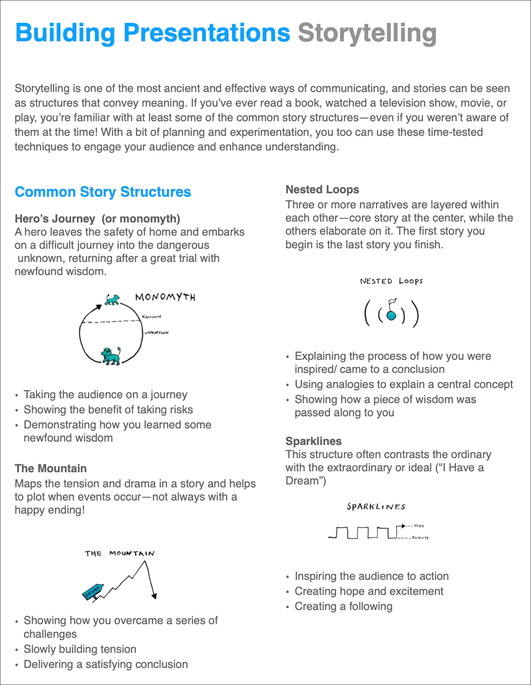
Storytelling slide
Design Thinking and innovation
From one-hour overviews to multi-day intensives · Apple, and since
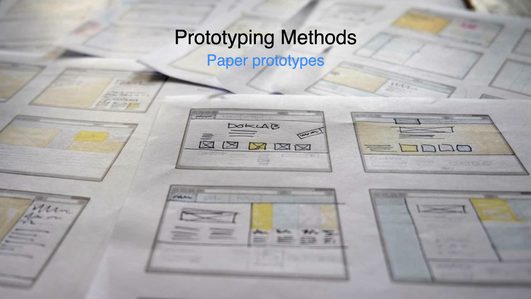
A series designed with colleagues to introduce and build design-thinking practice across several teams: interviewing and observation, brainstorming, prototyping, user testing, creative thinking. The shorter versions built familiarity; the multi-day intensives tackled real problems in the business.
Why this design: the same toolkit at two depths, so teams could start light and go deep when they had a problem worth it.
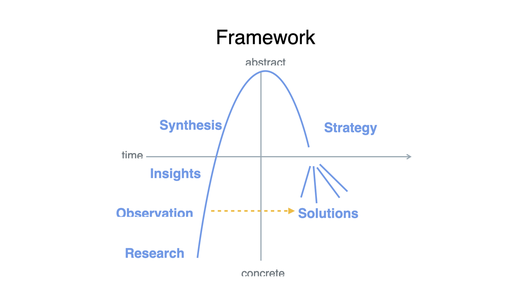
Design thinking deck
Design thinking deck
Design thinking deck
How might we
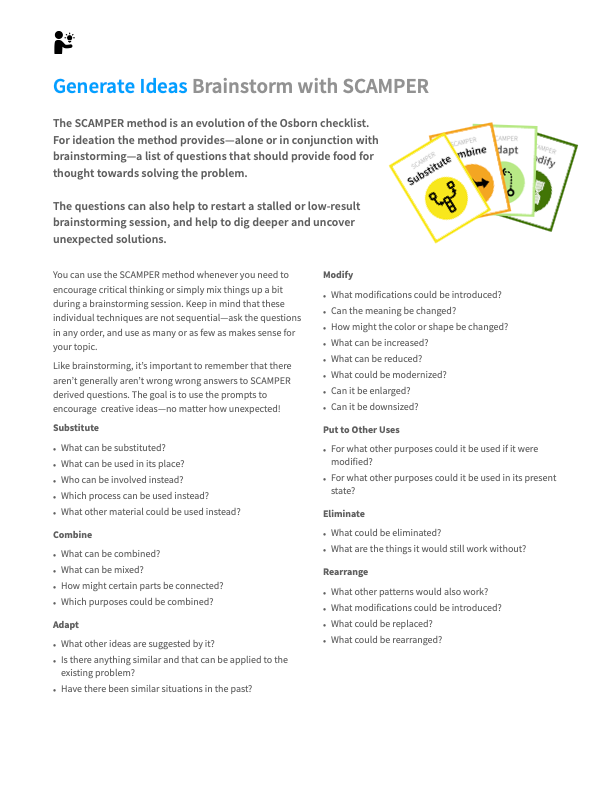
SCAMPER
Worst idea
Process
Product and sales workshops (Apple)
Instructor-led and virtual, one to three days, for channel sales and business teams · Apple
Comprehensive workshops with full facilitator guides, participant materials, running orders, and activities, designed to replace passive product briefings with hands-on practice: customer-profile activities, device work, and sales conversations.
Why this design: salespeople learn to sell a product by using it to solve a customer’s problem, not simply by learning its features.
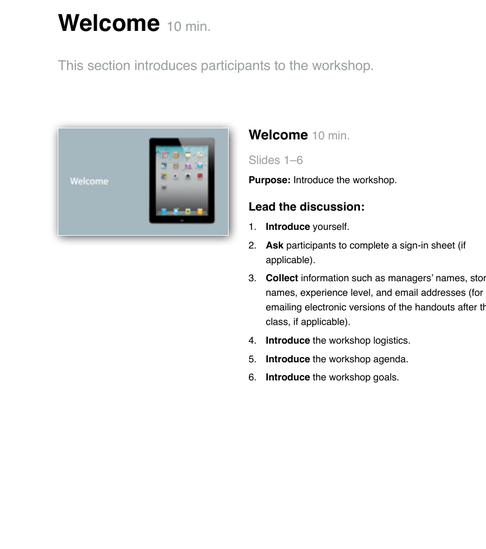
Facilitator guide (excerpt)
Workshop running order (excerpt)
Facilitation practice
LEGO Serious Play
Certified facilitator. A method for facilitated thinking, communication, and problem-solving in which everyone builds, everyone shares, and everyone has an equal voice. I’ve used it with teams facing problems with no clear answer, to see the big picture and its connections, to generate a range of options, and build team identity.
Why it works: hands think differently from mouths; the models say what the meeting would not.
LEGO Serious Play
LEGO Serious Play
Certified facilitator
Team Performance (Drexler/Sibbet/Forrester)
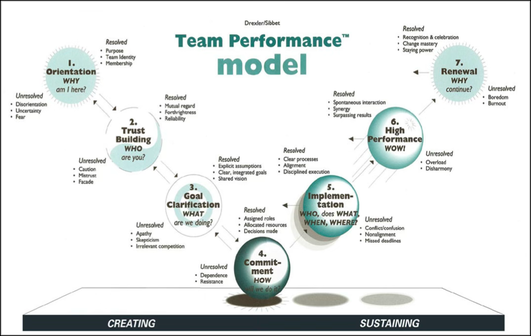
Certified practitioner of the Grove’s Team Performance model: a diagnostic of where a team is in its development, and canvas-based exercises tailored to move it to the next stage. Runs in person or in Miro and Mural.
Why it works: teams rarely know which stage they are stuck at; the diagnosis is usually the breakthrough.
Team Performance model
Canvas
Business Model You
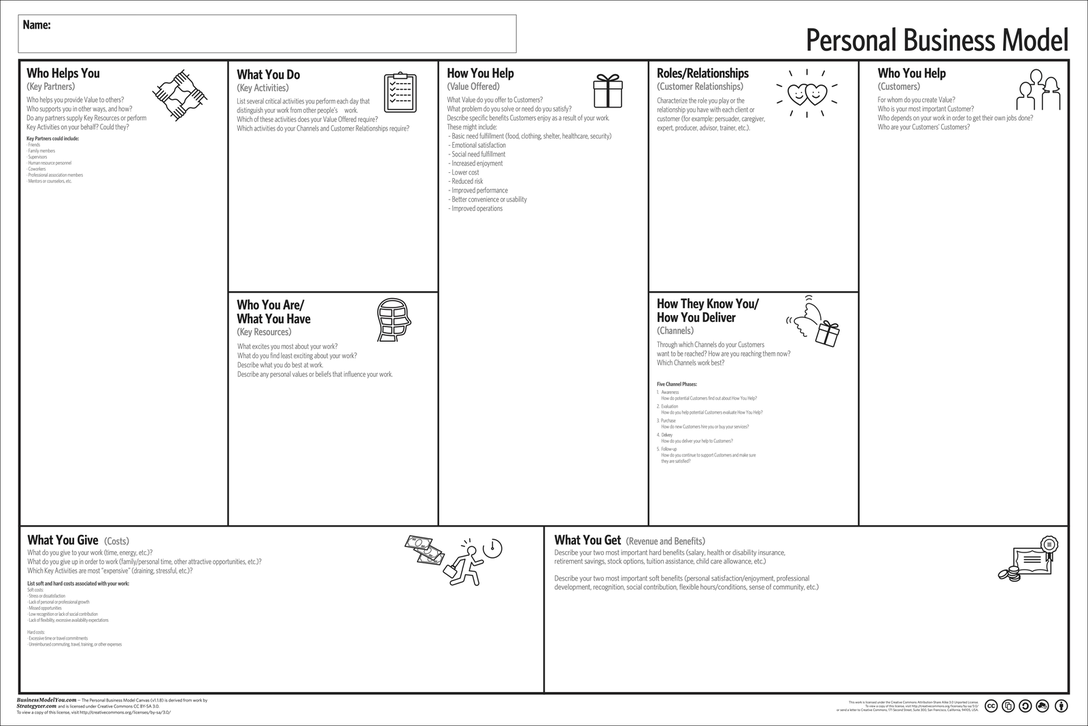
Masterclass-certified practitioner. Adapted from the Business Model Canvas, it guides people through how they create value in their current work and where they want to take it next. I have used it, sometimes with LEGO Serious Play, with mid-career professionals planning their careers and with teams defining the value they bring.
Why it works: a canvas makes a career discussable in the same way it makes a business discussable.
A personal business model on the canvas
Emotional Culture Deck
Certified practitioner. A card-based tool that helps teams name the emotional state they have and the one they want to cultivate, with worksheets and pre-designed workshops. I adapted it for virtual delivery in Miro and Mural.
Why it works: it gives teams permission to talk about feelings at work through a structure—which is the only way most teams will.
Emotional Culture Deck
Virtual facilitation
Years of designing and delivering virtual classroom sessions on product updates, writing, design thinking, and more, while staying as tool-agnostic as possible. The constant is breaking the lecture pattern: chat, polling, shared whiteboards, breakout rooms, and real-time brainstorming in Jamboard, Miro, and Mural.
Why it works: disengagement is amplified on a screen, so participation has to be designed in every few minutes.
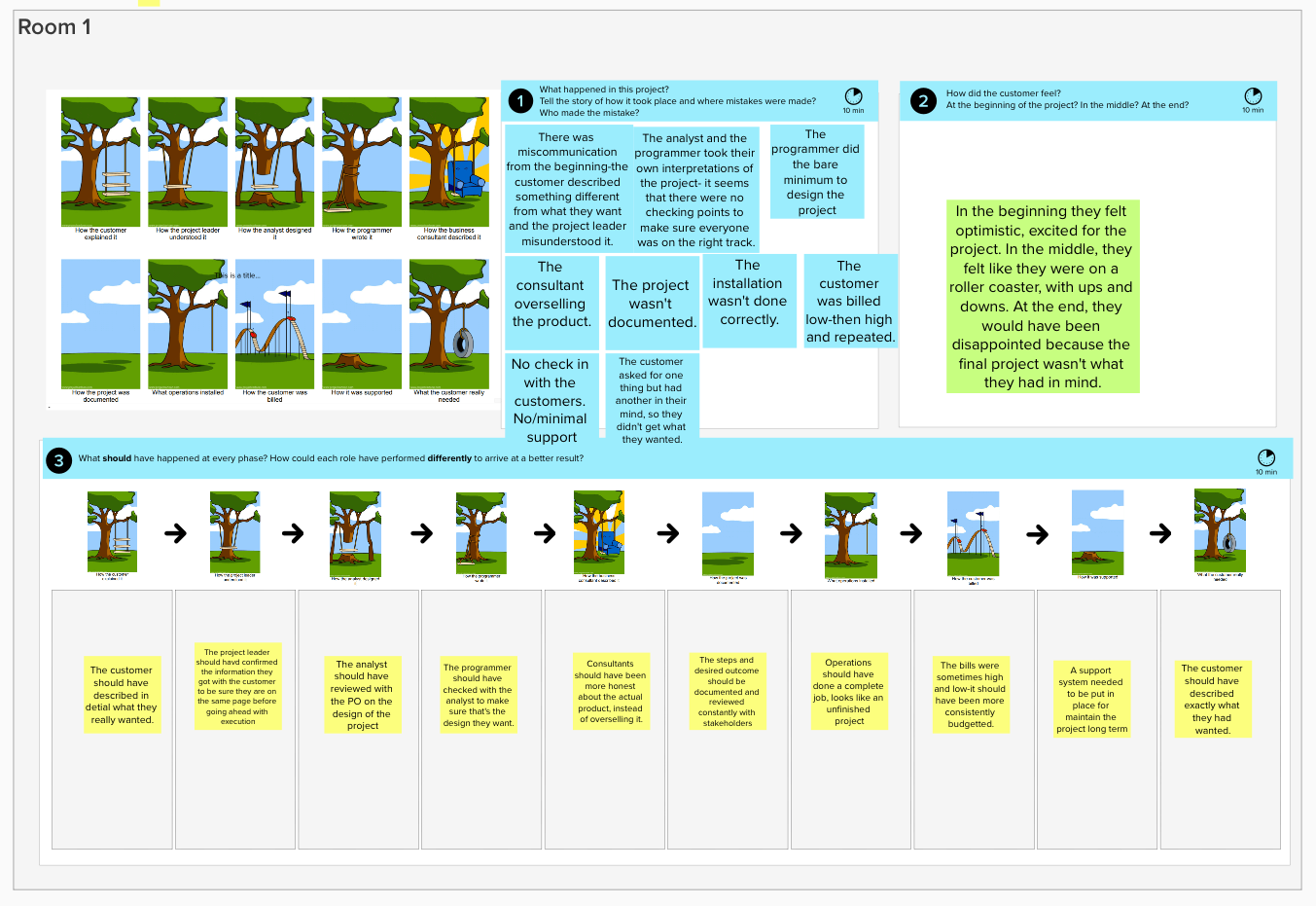
Mural board from a virtual retrospective activity
Experiential activities
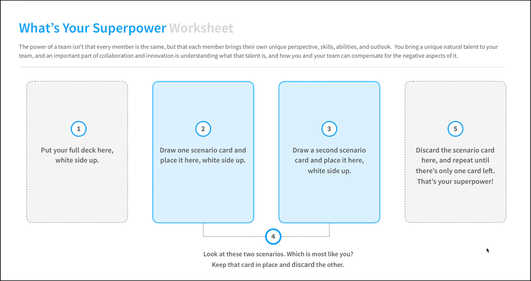
A working library of short activities that create the moment a workshop turns: Bob McKim’s 30 Circles (judgment kills creativity; quantity improves quality), Tom Wujec’s How to Draw Toast (mental models made visible), Thiagi’s Wine Game (collaboration under a one-minute deadline), the Negotiator’s Dilemma (stated intentions versus actual behavior), and SYPartners’ Superpowers cards.
Why they work: three minutes of doing beats thirty minutes of being told.